

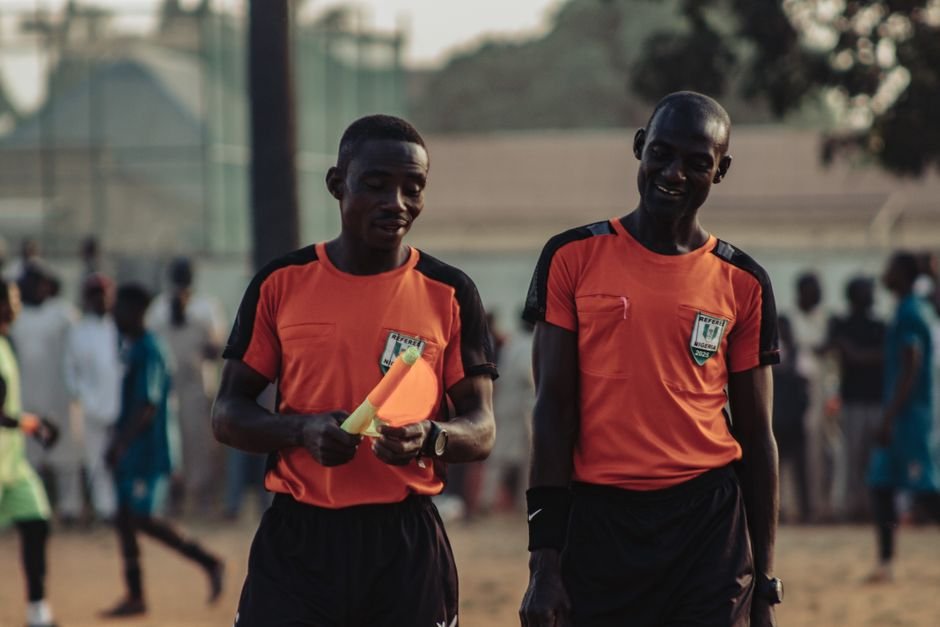
UFC Referees vs Football Referees: How Officiating Compares
How Sports Officiating Shapes Elite Competition
Officiating in modern elite sport carries massive responsibility. Fans notice officials instantly when a crucial call goes wrong. However, the exact role of a referee changes dramatically depending on the sport. When you examine a UFC referee vs football referee, the differences in daily duties become clear very quickly.
Football referees control twenty-two players on a large pitch over ninety minutes. In contrast, a UFC referee manages just two fighters inside a metal cage for fifteen or twenty-five minutes. Both roles demand immense focus, quick thinking, and strict impartiality. As a result, split-second choices often decide the outcome of major events.
Moreover, both sports face endless public scrutiny from fans and pundits alike. Technology now plays a huge part in how decisions happen during live action. Therefore, comparing how these officials operate offers fascinating insights into modern athletic competition.
The Primary Duty: Player Safety vs Match Control
A football referee primary goal centers on keeping match flow smooth while enforcing rules. They manage tackle severity, penalise handball incidents, and monitor offside positions. Because football is a team sport, the referee must constantly watch player interactions across a wide area.
Meanwhile, the core duty of a UFC referee focuses heavily on athlete safety. In combat sports, an official must protect a fighter from unnecessary damage. For example, if a fighter stops defending effectively, the referee must jump in immediately. Consequently, a late stoppage can lead to serious injuries for the losing fighter.
Football referees protect player health by issuing yellow and red cards. However, they rarely need to physically step between players to prevent serious harm during normal gameplay. In the UFC, physical intervention happens regularly when a contest finishes. Therefore, the physical positioning of the referee remains vital throughout every single round.
Split-Second Decision Making Under Fire
High-pressure decisions define both professions. In football, a referee might make over one hundred decisions during a standard match. Most of these calls happen while the official is running at high speed. As a result, physical fitness plays a critical role in positioning.
In contrast, a UFC official covers far less ground physically during a bout. However, the intensity of their focus must remain total at all times. For instance, a submission lock can snap a joint in a fraction of a second. Similarly, a single clean knockout punch requires immediate stoppage action to prevent further impacts.
Because human reaction times are limited, errors can occur in both arenas. A football referee might misjudge a diving tackle in a crowded penalty box. On the other hand, a combat referee might stop a fight too early, which frustrates the athlete. In short, both roles require remarkable mental resilience under extreme pressure.
Technology in Sport: VAR vs Cage-Side Replays
Modern technology has transformed how decisions occur in top-tier sports. Football introduced the Video Assistant Referee, widely known as VAR, to correct clear and obvious errors. For example, VAR reviews goals, penalty decisions, direct red cards, and cases of mistaken identity. However, VAR often creates lengthy delays that frustrate fans in the stadium.
In contrast, mixed martial arts uses video replay far more sparingly. UFC referees can consult cage-side monitors in specific regulatory jurisdictions. Usually, this happens only to check potential fouls or determine if a fight-ending blow was legal. Because fights can end instantly, officials rarely pause active action to check video feeds.
Furthermore, VAR in football actively checks incidents in the background while play continues. Conversely, UFC officials rely almost entirely on their real-time field of vision during live action. As a result, the combat referee bears sole responsibility for stopping a bout without technical safety nets.
How Video Review Alters Match Flow
Video review undeniably changes how matches feel for spectators. In football, players frequently hesitate to celebrate goals because VAR might intervene. Consequently, some of the spontaneous passion of the game can feel muted. However, supporters generally agree that getting major decisions correct remains vital for competitive fairness.
Meanwhile, combat sports prioritize uninterrupted action once a round begins. Pausing a fight to check a monitor during active exchanges would ruin the momentum entirely. Therefore, replay technology in MMA usually operates only after the referee stops the action. This keeps the physical contest fluid and intense for both fighters and fans.
Managing Athlete Behaviour and Dissent
Managing athlete discipline requires completely different communication skills in these two sports. Football referees regularly deal with multiple players surrounding them after controversial whistles. Because football features constant tactical fouls, verbal management forms a massive part of a referee toolkit.
In the UFC, fighters almost never argue with a referee during active combat. Because their opponent is actively striking or grappling, distraction proves extremely dangerous. However, fighters may express frustration if a referee deducts a point for an accidental eye poke or low blow. In those moments, the referee must maintain complete authority inside the Octagon.
Furthermore, football officials use formal cards to penalise persistent fouls or unsporting behavior. A yellow card acts as a clear warning, whereas a red card reduces a team to ten players. In MMA, officials warn fighters verbally before taking away a judge point score. Because fights are scored over three or five rounds, losing a single point can completely flip the outcome.
The Impact of Crowd Atmosphere and Venue Noise
Stadium environments heavily influence match officials during live events. Football referees often perform in front of tens of thousands of passionate fans. For instance, home crowds frequently scream for penalty kicks or demand cards for opponents. As a result, refereeing requires intense mental focus to ignore home-field bias.
In contrast, UFC events often take place in indoor arenas with loud sound systems and intense lights. Fans sit right against the Octagon canvas, creating a claustrophobic atmosphere. However, the referee stays inside the enclosed cage alongside the two fighters. This physical barrier helps separate the official from surrounding spectator noise.
Nevertheless, loud crowds can make hearing corner advice or official timers difficult. Therefore, referees must rely on precise physical hand signals to communicate with judges, clock operators, and fighters. Clear visual communication prevents misunderstandings when crowd noise reaches deafening levels.
Training Pathways and Career Progression
How do individuals reach the absolute peak of these officiating professions? In football, referees start at grassroots level in local amateur leagues. They progress through clear structural tiers managed by national football associations. For example, in England, officials advance through regional leagues before reaching professional divisions like the English Football League and Premier League.
On the other hand, combat sports officials usually start in regional martial arts circuits. State athletic commissions or national sanctioning bodies license and oversee combat referees. As a result, top officials like Herb Dean or Marc Goddard work across various promotions before becoming mainstays in the UFC.
Both paths demand rigorous fitness tests and extensive rulebook mastery. Football referees undergo strenuous running assessments to ensure they can track quick counter-attacks. Similarly, combat referees practice physical positioning drills to stay close to action without obstructing fighters. In short, both careers require years of dedicated practice before reaching the world stage.
Continuous Education and Official Performance Reviews
Elite referees face constant performance reviews after every assignment. Match assessors evaluate football officials on positioning, rule application, and foul management. If a referee makes several major errors, they might receive a demotion to lower divisions for subsequent weekends.
Similarly, athletic commissions review fight videos to evaluate MMA referee performance. Commissions discuss controversial stoppages or missed fouls in public meetings. Because public safety is paramount, poor judgements can lead to suspended licenses. Consequently, remaining at the top requires consistent performance week in and week out.
Comparing the Mental Strain on Officials
The psychological toll on elite sports officials continues to grow every year. Football referees endure constant social media criticism and public debates on television sports shows. Because millions watch top matches, every single mistake gets replayed from dozens of camera angles. This relentless focus can create massive mental strain for officials and their families.
UFC referees face a distinct type of heavy psychological pressure. Because they hold direct responsibility for athlete health, a slow reaction can cause permanent injury. If a fighter suffers excessive punishment, fans and commentators quickly blame the official. Therefore, the weight of keeping human beings safe dominates their mental workload.
In addition, both types of officials operate under intense time constraints. They do not enjoy the luxury of slow-motion replays while making immediate calls on the field or in the ring. As a result, developing mental toughness remains essential for surviving in elite sports environments.
Key Summary: Two Different World Standards
In summary, comparing a UFC referee vs football referee highlights two distinct approaches to sports officiating. Football referees act as game managers, balancing flow, discipline, and complex team dynamics over ninety minutes. They rely heavily on modern VAR assistance to correct major mistakes on the pitch.
Conversely, UFC referees act primarily as guardians of safety during high-risk combat. They make single-second judgements that directly affect the physical health of two competing athletes. While they use far less video technology during live rounds, their immediate physical interventions carry enormous consequences.
Ultimately, both roles demand exceptional courage, complete focus, and deep rule knowledge. Without these highly trained professionals, neither sport could function safely or fairly at the highest professional level.
For more information, https://www.bbc.com.
Related reading

admin
administratorLeave a reply here
Your email address will not be published. Required fields are marked *

One Reply to “UFC Referees vs Football Referees: How Officiating Compares”
Tactical Scouting in Sports: Premier League vs UFC