

Premier League 3pm Blackout: Why UK Live Football Streaming Is Restricted
The Saturday Afternoon TV Tradition That Stops Live Football
You sit down on a Saturday at 2:50 pm with a hot drink. Your team plays at 3:00 pm. You turn on the television or open your streaming app, but the game is nowhere to be found. Instead, you get studio pundits talking over radio updates or goal alerts from around the country.
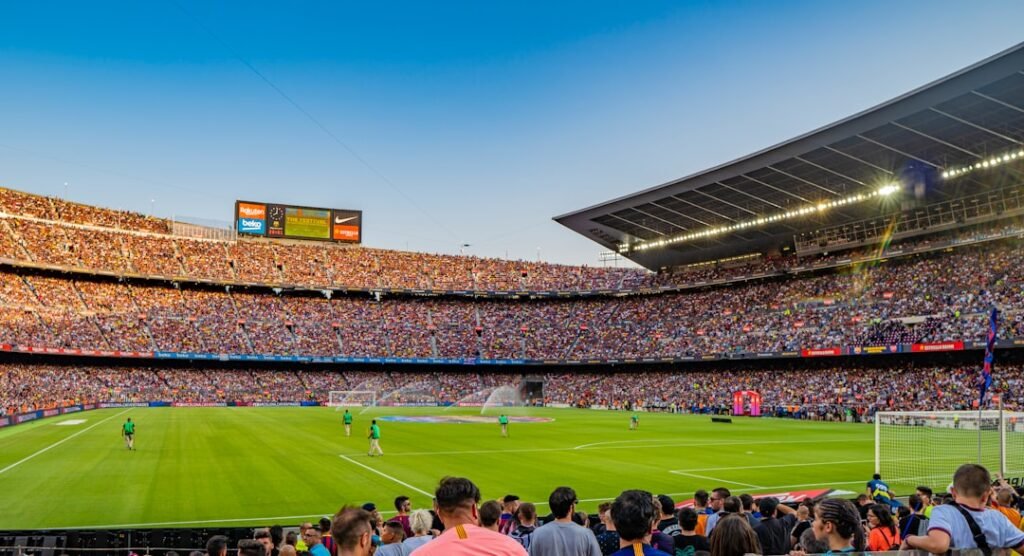
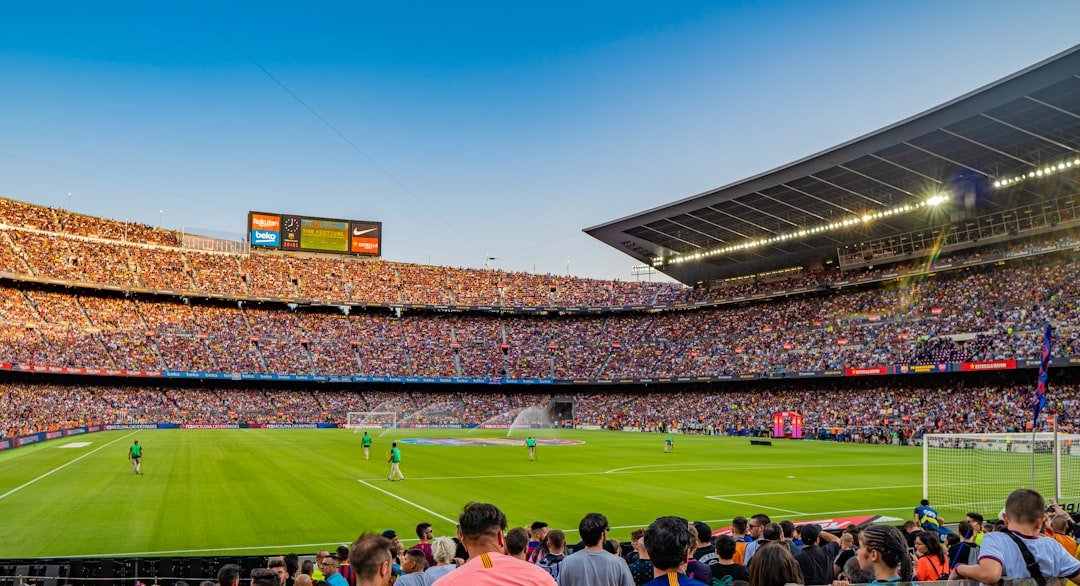
This scenario frustrates millions of football fans in Great Britain every weekend. While supporters in foreign countries watch every single Premier League fixture live, viewers in the UK cannot legally stream or watch any Saturday 3pm match on television. This restriction is known across the sports industry as the Premier League 3pm blackout.
The policy is not an oversight by television executives. It is a deliberate rule enforced for over six decades. Understanding why this rule exists reveals a lot about how UK football broadcasting contracts operate and how streaming networks structure their live schedules.
The History Behind Article 48
The blackout traces back to the late 1950s. Bob Lord, the chairman of Burnley Football Club at the time, convinced fellow league chairmen that televised football on Saturday afternoons would damage ticket sales. He argued that fans would choose to stay home and watch a top-flight match on TV rather than walk through the turnstiles of their local lower-league stadium.
The Football League accepted his argument. UEFA later codified the concept into its official regulations under Article 48.
Article 48 gives European football associations the right to block televised matches within a specific two-and-a-half-hour window on Saturdays. The Football Association (FA) chooses the period between 2:45 pm and 5:15 pm on Saturdays. During this window, no broadcaster inside the UK can air live football from any league in the world.
This means UK platforms cannot even stream live matches taking place in Spain, Italy, or Germany if those matches fall inside the Saturday window. Broadcasters like LaLiga TV or DAZN must wait until 5:15 pm before showing any live action to British subscribers.
Does the Blackout Actually Protect Match Attendance?
The core argument for keeping the blackout relies on protecting lower-league attendance. The English Football League (EFL) manages 72 professional clubs across three divisions. Hundreds of non-league clubs play beneath them in the pyramid.
Supporters of the blackout argue that lower-tier clubs rely heavily on gate receipts to survive. Gate money makes up a much larger share of revenues for a League Two club than for a Premier League giant. If Arsenal or Manchester City play on live television every Saturday at 3pm, casual fans of smaller clubs might stay home. Attendance at lower-league grounds could drop significantly.
Opponents of the rule disagree strongly. They argue that fan culture in the UK is built on personal loyalty to specific teams. A Carlisle United supporter will go to Brunton Park regardless of whether Liverpool plays on television. Critics also point out that modern fans use alternative methods to track games, meaning the blackout simply inconveniences loyal supporters who cannot buy match tickets.
Research on the subject remains divided. Some economic studies suggest televised games slightly lower lower-league attendance, while other studies show almost no measurable impact. Because of this uncertainty, the FA and EFL continue to defend the restriction to protect smaller clubs from financial risk.
How Broadcasters Build UK Streaming Packages Around the Rule
The presence of the blackout reshapes how broadcast rights sell in the United Kingdom. Because 3pm Saturday games cannot hit the screen, domestic broadcasters bid heavily for alternative time slots.
Sky Sports, TNT Sports, and Amazon Prime Video split the rights to broadcast specific packages of matches throughout the season. These live games sit outside the blackout window:
- Friday evening kick-offs (usually 8:00 pm)
- Saturday early kick-offs (12:30 pm)
- Saturday late kick-offs (5:30 pm)
- Sunday afternoon matches (2:00 pm and 4:30 pm)
- Monday evening fixtures (8:00 pm)
- Midweek full fixture rounds (Tuesday, Wednesday, and Thursday evenings)
Out of 380 Premier League matches each season, domestic television packages currently cover roughly 200 live games. The remaining 180 fixtures—mostly Saturday 3pm games—are completely omitted from UK television listings.
This arrangement contrasts sharply with overseas broadcast deals. International networks buy rights to show every single Premier League fixture live. An overseas subscriber in the United States, Australia, or Scandinavia can stream all 380 matches every season, including every Saturday 3pm kick-off.
The Streaming Challenge for Domestic Viewers
Because domestic packages only contain partial fixture lists, football fans face unique challenges when following their favorite teams. If your club is not fighting for the league title or sitting in the top six, many of its matches will take place at 3pm on Saturdays. That means official streaming services cannot show those games live inside the UK.
For fans who cannot travel to the stadium, audio coverage remains the main legal domestic alternative. BBC Radio 5 Live and talkSPORT carry live audio commentary for 3pm matches. Clubs also offer dedicated live audio commentary through their official websites and mobile applications.
Broadcasters attempt to fill the video gap as soon as the blackout window ends. Highlights packages appear online shortly after 5:15 pm on Saturday. Official streaming apps upload extended highlights and full-match replays later in the evening, usually after 10:00 pm.
Women’s Football and Lower-League Exemptions
The 3pm blackout rule applies strictly during the men’s domestic football season, which typically runs from August to May. However, the application of the rule occasionally varies for other formats of the game.
In recent years, organizers tested showing live Women’s Super League (WSL) fixtures during the Saturday afternoon window. Because WSL matches generally draw different stadium audiences and broadcast slots, rights holders explored using the window to grow the women’s game. However, technical UEFA rules under Article 48 still require specific permission if a main domestic association requests full coverage during designated hours.
During summer months or international tournament breaks, the blackout lifts completely. If international friendly matches or European tournament games take place on a Saturday afternoon outside the domestic English season, networks can broadcast them without restriction.
Will the Blackout Ever End in the UK?
Debate over the future of the 3pm blackout grows louder every time broadcast rights come up for auction. The financial landscape of television has shifted dramatically since the 1950s. Streaming platforms now dominate the market, and consumer demand for on-demand live access is higher than ever.
When the Premier League negotiated its domestic broadcast agreements for the 2025 to 2029 cycle, executives made notable adjustments. They increased the total number of live matches shown in the UK from around 200 to over 270 per season. All matches taking place outside Saturday 3pm—including every Sunday game—will now air live.
Despite this massive expansion in televised games, the league opted to keep the Saturday 3pm blackout intact. Premier League officials reaffirmed their commitment to protecting the wider football pyramid, ensuring that the 2:45 pm to 5:15 pm window remains free of live televised football.
Some industry experts believe the blackout will eventually disappear, replaced by an official direct-to-consumer streaming option operated by the league itself. Others argue that the English football pyramid is unique in its strength and depth precisely because gate receipts at lower levels remain protected.
For now, the Saturday 3pm blackout remains firmly embedded in British sporting culture. UK football fans wanting to watch their team at 3pm on a Saturday must buy a stadium ticket, rely on radio commentary, or wait for the evening highlight packages to drop on official streaming platforms.
For more information, visit our website.
Related reading

Jack
administratorLeave a reply here
Your email address will not be published. Required fields are marked *

One Reply to “Premier League 3pm Blackout: Why UK Live Football Streaming Is Restricted”
DAZN UK Streaming: Rights, Subscription Costs, and Features