

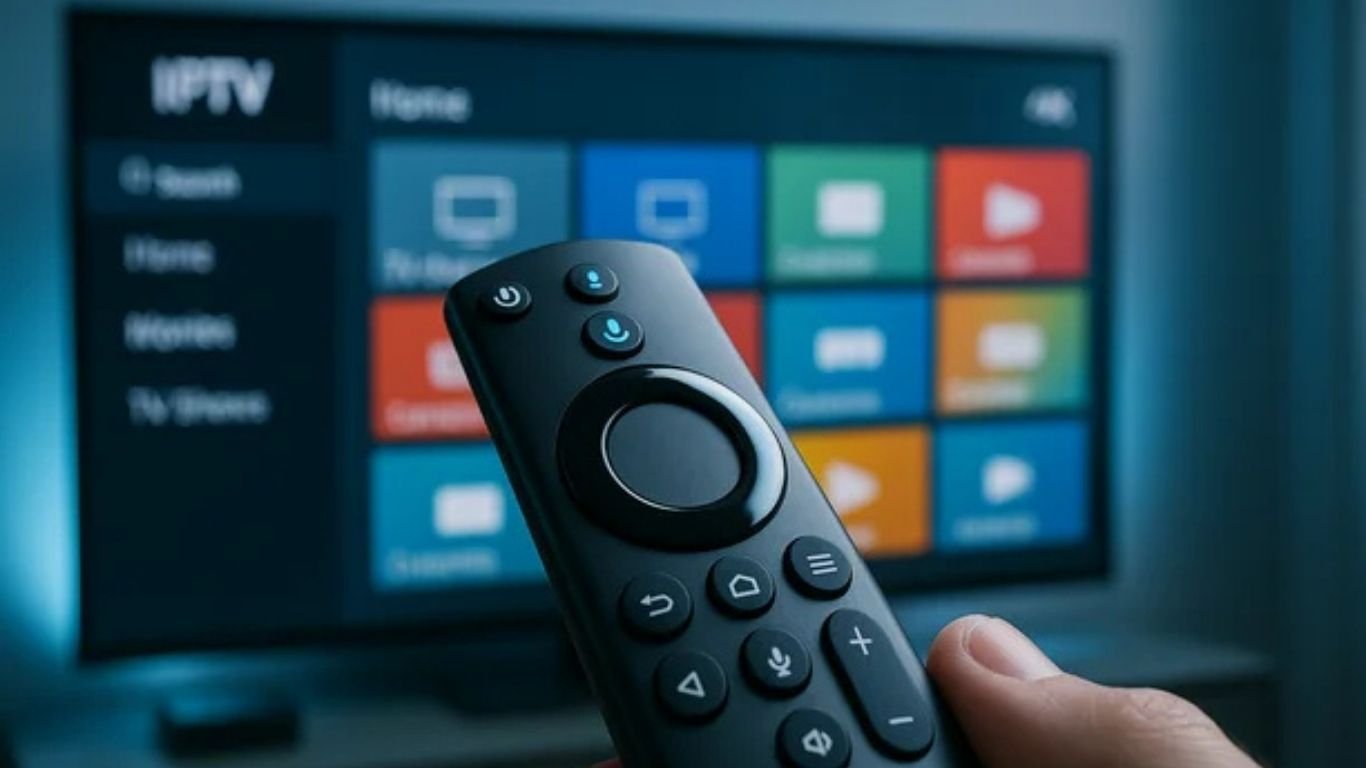
Complete IPTV Setup Guide for UK Beginners
Setting up IPTV setup guide for UK beginners can seem complicated when you are doing it for the first time. You may need to choose a compatible device, install an IPTV player, connect to the internet, enter playlist or login information, and adjust settings for reliable playback.
The good news is that the basic process is straightforward once you understand how the different parts work together.
This IPTV setup guide for UK beginners explains the process from start to finish without recommending any particular IPTV provider. It focuses on the equipment, software, internet connection, configuration, troubleshooting, security, and legal points you should understand before getting started.
What Is IPTV?
IPTV stands for Internet Protocol Television. Instead of receiving television content through a traditional aerial, satellite, or cable connection, IPTV delivers video over an internet connection.
An IPTV setup guide for UK beginners normally consists of three main components:
- An internet connection to receive video data.
- A compatible device such as a smart TV, streaming box, computer, smartphone, or tablet.
- An IPTV application or player that displays the available content.
Depending on the service and application, you may be given a playlist, login credentials, or other access information.
It is important to understand that IPTV is a delivery technology, not automatically a source of illegal content. The legality depends on whether the content is being distributed and accessed with the necessary rights and permissions. UK government guidance specifically warns that streaming devices can become illicit when they are adapted to access copyrighted programmes, films, or subscription content without the appropriate permission or subscription.
Is IPTV Legal in the UK?
IPTV technology itself is not inherently illegal. The important issue is whether the television content being accessed is properly authorised.
For example, using a legitimate service or authorised stream through an IPTV-compatible application can be lawful. Accessing copyrighted television programmes, films, or sports without the necessary rights is a different matter.
The UK government explains that copyright-protected material generally requires permission or an appropriate licence unless a specific copyright exception applies.
You should therefore avoid services, applications, playlists, or devices advertised as offering premium content without the appropriate subscription or permission.
Do You Need a TV Licence?
A TV Licence is a separate issue from copyright.
In the UK, you generally need to be covered by a TV Licence if you watch or record television programmes as they are being broadcast, including live television streamed over the internet. A licence is also required to use BBC iPlayer.
The official TV Licensing guidance says the requirement applies regardless of whether you watch on a television, computer, phone, tablet, games console, or another compatible device.
You should check the current rules before watching live television because licensing requirements can depend on how you use the service.
What You Need Before Setting Up IPTV
Before starting, prepare the following:
- A compatible television or streaming device
- A stable broadband connection
- An IPTV-compatible player application
- Your legitimate IPTV access details
- Your Wi-Fi password if you are using wireless networking
- A remote control, keyboard, or mobile device if required
- Sufficient storage if the application requires it
You do not necessarily need an expensive television or high-end streaming device. The most important factors are compatibility, network stability, and support for the video formats used by your chosen legitimate service.
Choose the Right Device
Several types of devices can be used for IPTV.
Smart TV
A modern smart TV may allow you to install a compatible IPTV player directly through its application marketplace.
This can be the simplest option because you do not need an additional streaming box.
Before installing an application, check:
- Whether your TV supports the app
- Whether the TV operating system is compatible
- Whether the app is available in your region
- Whether your television has enough available storage
- Whether the app supports your required playlist or login format
Streaming Stick or Box
A dedicated streaming device can be useful if your television has limited app support.
The main advantages include:
- Faster hardware on some models
- Easier application management
- More frequent software updates on supported devices
- Better flexibility when changing televisions
Only install applications from trusted sources and avoid devices marketed as “fully loaded” with unauthorised premium television content. UK government guidance specifically identifies modified streaming devices and so-called fully loaded devices as a potential route to illicit streaming.
Computer
A Windows PC, Mac, or laptop can also be used if a compatible IPTV player or web-based system is available.
This can be useful for testing because computers often make it easier to inspect network settings and application errors.
Smartphone or Tablet
Mobile devices can be convenient for Premium IPTV UK playback when a compatible application is available.
However, smaller screens and mobile Wi-Fi connections may not provide the same viewing experience as a television connected to a stable home network.
Check Your Internet Connection
A reliable internet connection is one of the most important parts of a good IPTV setup guide for UK beginners.
Video streaming continuously transfers data to your device. If your connection is unstable, the application may pause, reduce video quality, or display a buffering message.
Your actual requirements depend on factors such as:
- Video resolution
- Compression technology
- Number of people using the connection
- Wi-Fi signal strength
- Network congestion
- Device performance
A useful beginner approach is to test your connection on the same device and in the same room where you intend to watch television.
Wi-Fi vs Ethernet
Wi-Fi is convenient, but Ethernet can provide a more consistent connection when your television or streaming device is close enough to your router.
If buffering occurs frequently, try:
- Moving the device closer to the router.
- Restarting the router.
- Reducing other heavy internet activity.
- Switching to Ethernet where practical.
- Testing the connection at different times of day.
Install an IPTV App
Once you have compatible hardware, the next step is installing an IPTV player.
Search your device’s official application marketplace for an IPTV player that supports your required format.
Avoid downloading unknown APK files or software from suspicious websites simply because an unofficial application promises free access to premium content.
After installation:
- Open the application.
- Review its privacy and permission settings.
- Select the appropriate login or playlist option.
- Enter the legitimate access information supplied with your service.
- Save the configuration.
- Allow the application to load its content.
The exact menus will vary between applications, so do not worry if your screen looks different from screenshots found in other tutorials.
Add Your IPTV Playlist or Login Details
IPTV applications can use different methods for loading content.
Common options include:
- A playlist URL
- A username and password
- An electronic programme guide source
- A local playlist file
- Another authentication method supported by the application
Use only access information you are authorised to use.
If you have been given a playlist URL, carefully enter it exactly as provided. A single missing character can prevent the playlist from loading.
If you are entering a username and password, check:
- Capitalisation
- Numbers
- Special characters
- Spaces
- Expiration dates
- Device limits
Do not share login credentials publicly or enter them into applications you do not trust.
Configure IPTV Settings
After your playlist loads, spend a few minutes reviewing the application settings.
Useful settings may include:
Video Quality
If your connection is unstable, lowering the video quality may improve playback.
If you have a strong connection and compatible hardware, higher-quality playback may be available.
Buffer Size
Some applications allow you to change buffering behaviour.
Increasing buffering may help with short network interruptions, although it can also increase the delay between live broadcasts and what appears on your screen.
Electronic Programme Guide
If your IPTV setup Guide supports an electronic programme guide, check whether the guide data has loaded correctly.
A working guide makes it easier to browse programmes and understand what is currently available.
Subtitles
If subtitles are supported, check the language, font size, and display settings.
Parental Controls
If children use the device, review parental-control options before allowing unrestricted access to content.
Test Live Channels and On-Demand Content
Once everything is configured, test several different types of content.
For example:
- Open the main channel list.
- Start a channel.
- Allow it to play for several minutes.
- Try another channel.
- Test a different category.
- Check the programme guide.
- Test on-demand content if your authorised service includes it.
If one item fails while others work normally, the problem may not be your device or internet connection.
If everything buffers or fails, investigate your network, application, or account configuration.
IPTV Setup on Different Devices
The basic process remains similar across devices, but the installation method changes.
Smart TV IPTV setup guide for UK beginners
For a smart TV:
- Connect the television to the internet.
- Open its official app marketplace.
- Install a compatible IPTV player.
- Launch the application.
- Enter your authorised access details.
- Load the playlist or available content.
- Test playback.
Streaming Device IPTV Setup
For a streaming device:
- Connect the device to your television.
- Complete the initial device setup.
- Connect it to Wi-Fi or Ethernet.
- Install a compatible IPTV application from an official or trusted source.
- Enter your authorised access information.
- Test playback.
Computer IPTV Setup
For a computer:
- Connect to a stable internet connection.
- Install compatible playback software if necessary.
- Open the application.
- Add your authorised playlist or account information.
- Test different streams.
Mobile IPTV Setup
For a smartphone or tablet:
- Connect to Wi-Fi or mobile data.
- Install a compatible application from the official app store.
- Enter your authorised details.
- Load the available content.
- Test playback.
Common IPTV Problems and Fixes
Even a correctly configured system can experience occasional problems.
IPTV Is Buffering
Try these steps:
- Restart the application.
- Restart your router.
- Check your internet speed and stability.
- Move closer to the router.
- Use Ethernet if possible.
- Reduce other network activity.
- Lower video quality.
- Test another stream.
IPTV Playlist Will Not Load
Check that:
- The URL was entered correctly.
- Your credentials are correct.
- Your access has not expired.
- The application supports the playlist format.
- Your internet connection is working.
- The playlist has not been disabled or changed.
IPTV App Keeps Crashing
Try:
- Closing and reopening the application.
- Restarting your device.
- Updating the application.
- Checking available storage.
- Updating your device software.
- Reinstalling the application if necessary.
Picture Quality Is Poor
Poor picture quality can result from insufficient bandwidth, network congestion, application settings, or the original stream quality.
First, check whether the problem affects every channel or only one. If only one stream has poor quality, your device may not be the cause.
Audio and Video Are Out of Sync
Restart the stream first.
If the problem continues, check the application’s playback settings and try another supported player if appropriate.
How to Improve IPTV Streaming Quality
A few simple changes can make an IPTV setup guide for UK beginners more reliable.
Use a Stable Network
Where possible, use a wired connection for stationary devices.
If Wi-Fi is necessary, position the router in an open location rather than behind furniture or inside a cabinet.
Reduce Network Congestion
Large downloads, cloud backups, gaming, and multiple simultaneous video streams can affect available bandwidth.
If several people are using your connection, test Best IPTV Provider when fewer devices are active.
Keep Your Device Updated
Install legitimate firmware and application updates when available.
Updates can improve compatibility, security, stability, and performance.
Restart Occasionally
If your device has been running for a long period, a simple restart can sometimes resolve temporary playback or memory problems.
IPTV Security and Privacy Tips
Security is just as important as playback quality.
Follow these basic practices:
- Download applications from trusted sources.
- Keep your device software updated.
- Use strong, unique passwords.
- Avoid sharing IPTV credentials.
- Be cautious with unknown links.
- Do not install suspicious “fully loaded” applications.
- Review application permissions.
- Avoid entering payment information into unfamiliar websites.
- Use legitimate content sources.
The UK government warns that illicit streaming devices may also present security and safety concerns, including risks associated with poorly tested hardware and inappropriate content.
Remember that a streaming box or IPTV application is not automatically illegal. The concern is how the device or application is being used and whether the content is properly authorised.
Beginner IPTV setup guide for UK beginners Checklist
Use this checklist before watching:
- Compatible TV, computer, phone, or streaming device
- Stable internet connection
- Compatible IPTV player
- Legitimate access credentials or playlist
- Correct playlist information
- Updated device software
- Updated IPTV application
- Appropriate video-quality settings
- Working programme guide, if supported
- TV Licence checked if you watch live television.
- Privacy and security settings reviewed
Frequently Asked Questions
Is IPTV legal in the UK?
IPTV is a technology for delivering television over an internet connection, so the technology itself is not inherently illegal. The important issue is whether the content is being provided and accessed with the necessary rights. Accessing copyrighted content without appropriate permission can create legal problems.
Do I need a TV Licence for IPTV in the UK?
If you watch or record live television as it is broadcast, you generally need to be covered by a UK TV Licence. The licensing requirement applies to live television watched over the internet as well as through traditional television equipment.
Can I use IPTV on a Smart TV?
Yes. A compatible smart TV can run an IPTV player if the required application is supported by its operating system and application marketplace.
What internet connection do I need for IPTV?
The required connection depends on video quality, network conditions, the number of connected devices, and the technology used by the stream. A stable connection is generally more important than simply having a high advertised download speed.
Why does IPTV keep buffering?
Buffering can be caused by an unstable internet connection, weak Wi-Fi, network congestion, device limitations, application problems, or issues with the individual stream. Testing different network and playback conditions can help identify the cause.
Can I use IPTV without a Smart TV?
Yes. IPTV can potentially be used through compatible streaming hardware, computers, smartphones, and tablets. The device must support the relevant application or playback method.
Is a fully loaded streaming device legal?
A streaming device itself can be legal, but UK government guidance warns that devices modified to access copyrighted content without the appropriate permission or subscription can become illicit streaming devices.
Can IPTV work over Wi-Fi?
Yes. IPTV can work over Wi-Fi when the wireless connection is sufficiently stable. If buffering occurs, try improving the Wi-Fi signal or using Ethernet where practical.
Can I install an IPTV application on my phone?
Potentially, yes, provided your phone’s operating system supports a compatible IPTV application. Use trusted application sources and only access content you are authorised to watch.
What should I do if my IPTV playlist stops working?
First, check your internet connection, then verify that the playlist information and credentials are correct. If other internet services work normally but the playlist does not, the issue may relate to the playlist or its authorisation rather than your device.
Conclusion
Setting up IPTV in the UK does not have to be complicated. The basic process involves choosing compatible hardware, connecting it to a stable internet connection, installing an appropriate IPTV player, adding authorised access information, and adjusting playback settings.
For beginners, the most important priorities are compatibility, reliable internet, security, and legal access to content.
IPTV is simply a method of delivering television through the internet. What matters legally is the content you access and whether it is properly authorised. UK government guidance makes clear that modified streaming devices used to access copyrighted content without the required permission can constitute illicit streaming.
Before watching live television online, also check whether you need to be covered by a TV Licence. The official guidance states that watching live TV on streaming services can require a licence, regardless of the device being used.
With the right equipment, a stable connection, a trustworthy application, and authorised content, beginners can create a straightforward IPTV viewing setup without unnecessary technical complexity.


Leave a reply here
Your email address will not be published. Required fields are marked *