

Smart TV Streaming Apps in the UK: How Live IPTV Delivery Works
How Smart TV Streaming Apps Changed UK Television
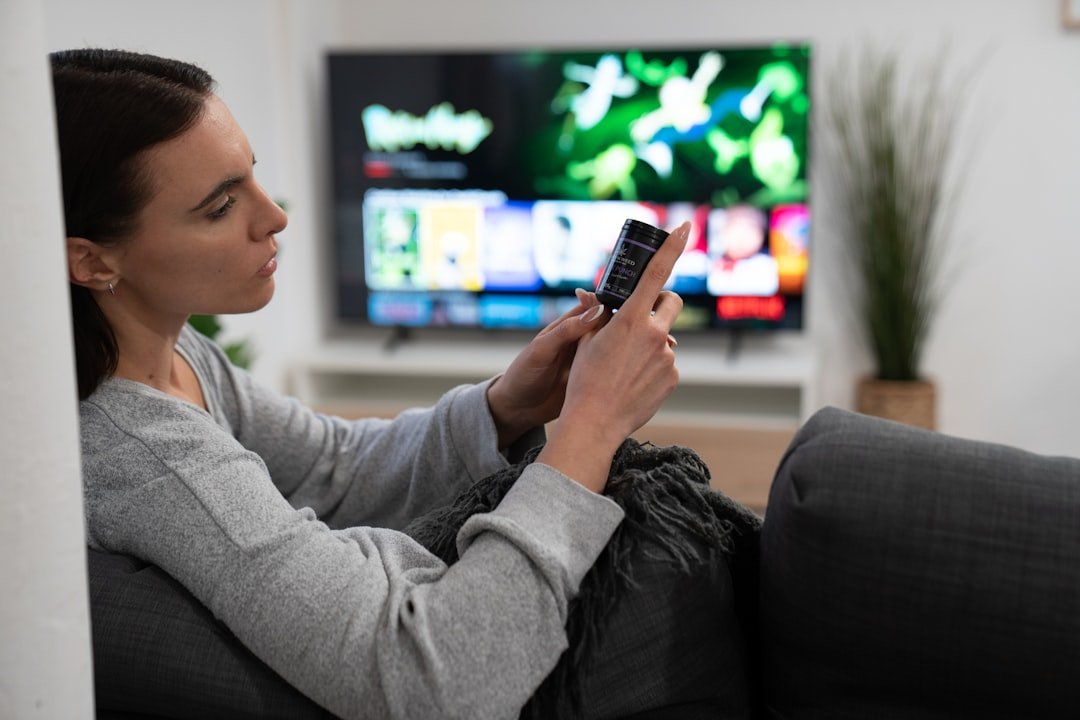
UK viewers no longer rely purely on traditional aerials or satellite dishes to watch live television. Instead, millions of households now stream their favourite shows and live sports directly over the internet. This shift relies heavily on modern Smart TV streaming apps that bring broadcast channels straight to your living room screen.
Television manufacturers now build internet capabilities into almost every modern display. Because broadband speeds across Britain have improved significantly over recent years, streaming live television has become simpler than ever. As a result, major UK broadcasters have invested millions into developing dedicated applications for these connected screens.
Understanding how these applications work helps viewers get the best possible viewing experience. Behind the sleek menus lies a clever delivery system known as Internet Protocol Television, or IPTV. In short, this technology packages video content into digital data packets and delivers them over your home internet connection.
The Core Technology Behind Smart TV Apps
Traditional television sends a continuous broadcast signal through the air or through physical cables. However, Smart TV streaming apps operate differently because they request video data on demand over your home network. When you launch an app like BBC iPlayer or ITVX, your television connects directly to content delivery servers.
To ensure a smooth picture, these platforms rely on adaptive bitrate streaming technology. For example, if your broadband speed fluctuates while you watch a live football match, the app automatically adjusts the stream quality. Consequently, your screen keeps playing the action without annoying buffering pauses or sudden freezes.
Most Smart TVs run specialized operating systems designed specifically for media consumption. Platforms such as Android TV, Tizen, and WebOS allow developers to build lightweight software. Therefore, these applications launch quickly and navigate easily using a standard television remote control.
Why Live Streaming Needs Robust Servers
Streaming a pre-recorded box set differs greatly from watching a live sporting event. During major events, millions of UK households tune in at the exact same second. As a result, streaming platforms must handle immense spikes in web traffic without falling over.
To solve this challenge, major broadcasters use edge computing networks across the UK. Instead of sending data from one central computer, they store temporary video copies on servers located near major British cities. Because the signal travels a shorter distance to your house, latency stays relatively low.
Popular UK Platforms and How They Deliver Content
UK audiences have access to an impressive range of legal streaming options on modern displays. Public service broadcasters offer robust services that combine live channel feeds with massive catch-up catalogues. Moreover, these services remain free to use for anyone with a valid UK TV licence.
- BBC iPlayer: Provides high-definition streams of all BBC linear channels alongside live coverage of major national sporting events.
- ITVX: Offers fast live streaming alongside a large library of exclusive dramas, movies, and live news coverage.
- Channel 4: Delivers live television feeds alongside ad-supported on-demand programming across all major television operating systems.
- My5: Connects viewers to live broadcasts and catch-up content from Channel 5 and its sister stations.
In addition to free public channels, premium subscription services offer extensive live sports and entertainment packages. For instance, services like NOW and Discovery+ allow sports fans to watch live Premier League matches, European football, and international cricket. These paid applications use strict digital rights management to protect high-value copyright material while delivering high-definition pictures.
Optimising Your Home Setup for Streaming
While modern Smart TV streaming apps offer high performance, your local network setup plays a massive role in picture stability. Even the best application will struggle if your local Wi-Fi network suffers from poor signal strength or heavy interference. Fortunately, a few simple adjustments can improve your viewing experience drastically.
First, consider connecting your television directly to your router using an Ethernet cable. Hardwired connections offer far greater stability than wireless signals because they avoid interference from physical walls and other household appliances. As a result, your live streams will load faster and drop quality far less often.
Second, ensure that your TV hardware receives regular software updates. Manufacturers frequently release system patches that improve app stability and patch security vulnerabilities. In short, keeping your hardware up to date prevents frustrating app crashes during important live broadcasts.
Managing Home Broadband Bandwidth
Live high-definition streams typically require a stable download speed of at least 5 to 10 Megabits per second. However, if you want to watch live sports in crisp 4K resolution, you will need a reliable connection of 25 Mbps or higher. Therefore, checking your package speed with your internet provider is always a wise first step.
Additionally, keep in mind that other devices on your home network share your total bandwidth. If multiple people download large files or stream video simultaneously, your TV stream may suffer. Because of this, pausing background downloads during live events ensures your main screen gets priority data delivery.
The Future of Television Streaming in the UK
The UK television landscape continues to move away from legacy broadcasting infrastructure. In fact, major broadcast groups have already launched joint initiatives like Freely, which delivers live terrestrial channels purely via internet broadband. Consequently, the traditional aerial on the roof may eventually become a relic of the past.
Furthermore, cloud processing technology continues to advance rapidly. Future Smart TV streaming apps will offer even faster channel switching times and personalized live broadcast feeds. As internet speeds across Britain continue to increase through full-fibre rollouts, streaming live television will only become faster, clearer, and more reliable for everyone.
For more information, visit our website.
Related reading

admin
administratorLeave a reply here
Your email address will not be published. Required fields are marked *

One Reply to “Smart TV Streaming Apps in the UK: How Live IPTV Delivery Works”
UK Sports Streaming Rights Explained: Complete Guide