

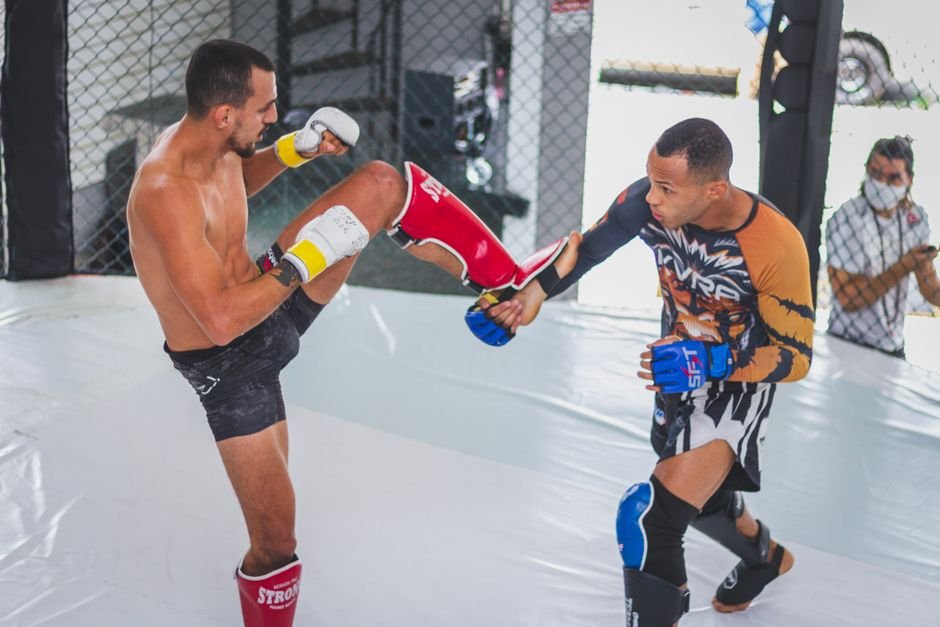
How UFC Matchmaking Works: Rankings, Contracts, and Card Building Explained
Inside the Complex World of UFC Matchmaking
Putting together a premier MMA event takes months of planning. Promoters do not just pick two names out of a hat. Instead, every bout requires delicate negotiation and careful planning. Fans often wonder why certain fights happen while others stall.
Understanding UFC matchmaking reveals how the fight business really operates. Matchmakers must balance official rankings with commercial appeal. Furthermore, they have to deal with athlete injuries and logistics. As a result, constructing a balanced card is a true juggling act.
For British fans watching events at night, the final product looks seamless. However, behind every main event lies a complex web of contracts and timing. This guide explains how fight cards come together from scratch.
The Key Figures Behind Fight Promotion
Matchmakers hold immense power in modern combat sports. They decide which fighters get opportunities on main cards. In addition, they determine who fights for official titles. Consequently, their choices shape the careers of hundreds of athletes.
These executives study division depth daily. They monitor rising prospects and aging veterans across every weight class. Because fighter availability changes constantly, they must remain flexible. A single injury can ruin months of careful planning.
Moreover, matchmakers act as the bridge between fighters and company management. They negotiate match ideas with fighter representatives and agents. As a result, successful matchmakers need strong diplomacy skills alongside deep combat knowledge.
How Official Rankings Drive Bouts
Official weight class rankings provide a clear framework for contenders. A panel of sports journalists votes on fighter rankings after major events. Therefore, these lists reflect recent performance and current form.
In theory, top contenders should always fight each other. For example, the number one contender usually fights the reigning champion. Similarly, top five fighters usually clash to earn title eliminator spots. However, rankings are not the only factor in fight selection.
Sometimes, matchmakers move beyond strict ranking logic. A highly ranked fighter might style-wise struggle against an unranked opponent. Also, fan demand can push popular fighters ahead in the queue. Thus, rankings offer a strong guide rather than a strict rulebook.
Style Makes Fights: Creating Entertaining Matchups
Combat sports rely heavily on stylistic clashes. Promoters know that contrasting fighting styles create exciting action. For instance, pairing a pure striker against an elite wrestler creates natural tension.
Matchmakers deliberately pair fighters to test their skills. They want to see if a striker can defend takedowns under pressure. Likewise, they test whether a grappler can handle dangerous striking exchanges. Consequently, these stylistic tests prove whether a prospect is truly elite.
However, matchmakers also avoid booking boring style matchups too often. Two defensive grapplers might produce a slow, tactical battle. Therefore, card planners mix up styles to keep audiences engaged throughout the night.
Negotiating Fight Contracts and Bout Agreements
Agreements do not happen overnight. First, matchmakers offer a specific opponent and date to a fighter’s team. Next, the athlete and their manager review the proposal carefully. They consider preparation time, opponent style, and fight location.
If both sides accept, the organisation issues formal bout agreements. These legal documents state the date, weight limit, and purse structure. Furthermore, contracts outline financial bonuses for exceptional performances. However, negotiations can stall over financial terms or training timelines.
In addition, contract status impacts matchmaking decisions. A fighter on the last bout of their contract might face a tougher test. Conversely, a newly signed prospect might receive a more manageable opponent to build momentum.
Building a Balanced Fight Card Structure
A full fight card usually features twelve to fourteen matches. Promoters split these bouts into early preliminaries, regular preliminaries, and the main card. As a result, each segment serves a distinct broadcasting purpose.
The main card features high-stakes encounters and title fights. These matches attract pay-per-view buyers and major television audiences. In contrast, preliminary cards highlight rising talent and local favourites. Therefore, preliminary fights serve as a testing ground for future stars.
Furthermore, promoters carefully structure the order of fights. They place energetic, fan-favourite strikers on the preliminary featured spot. Because this keeps television viewers tuned in, it creates a smooth transition to the main broadcast.
Handling Short-Notice Replacements and Injuries
Injuries are an inevitable part of professional fighting. Fighters suffer rib injuries, broken hands, or severe cuts during training camps. Consequently, matchmakers frequently lose main event stars just weeks before a show.
When an athlete pulls out, quick action is required. Matchmakers immediately contact potential replacement fighters on their roster. Often, these replacements must cut weight quickly and take big risks. As a result, short-notice fighters often earn extra leverage for future contracts.
Occasionally, a suitable replacement cannot meet the weight class limit. In these cases, matchmakers might propose a catchweight bout. Alternatively, they may move a compelling preliminary fight up to the main card. Thus, flexibility keeps the event moving forward.
Regional Strategy and International Events
Global expansion plays a massive role in modern MMA. The organisation hosts major events across Europe, Asia, Australia, and the Americas. Therefore, UFC matchmaking must adapt to local international markets.
When visiting the United Kingdom, promoters recruit local talent. British fighters draw passionate crowds and drive domestic television ratings. For example, placing popular UK athletes on a London card guarantees strong ticket sales. Consequently, matchmakers reserve local stars for home turf events.
However, international cards still need high-level global rankings relevance. Promoters balance local favourites with international contenders. As a result, UK events deliver both regional pride and world-class competition.
The Impact of Fighter Popularity and Social Media
Athletic skill is crucial, but star power accelerates opportunities. Fighters who build personal brands often skip the queue. Because broad fan interest drives pay-per-view sales, promoters value charisma highly.
Social media presence directly affects a fighter’s marketability. Athletes who speak well in interviews draw larger global audiences. Consequently, matchmakers are more likely to offer them high-profile main card slots. However, charisma alone cannot sustain a career without victories inside the cage.
In short, fight promotion balances meritocracy with entertainment value. Elite performers with magnetic personalities receive the fastest push toward world titles. Therefore, modern fighters must master both fighting and self-promotion.
Pathways to a Championship Opportunity
Earning a title shot remains the ultimate goal for every contender. However, the path to a belt is rarely a straight line. Winning streaks build momentum, but quality of victory matters immensely.
A fighter who wins five decisions against unranked opponents may wait longer. In contrast, an explosive finisher who knocks out top ten rivals advances faster. Furthermore, dramatic finishes leave lasting impressions on both fans and promoters. As a result, exciting fighting styles shorten the route to a title.
Finally, champion availability dictates contender timelines. If a champion is injured, matchmakers might create an interim title. This keeps the division moving and creates a clear unification fight later. Thus, interim belts serve as important matchmaking tools during long delays.
Why UFC Matchmaking Keeps Fans Hooked
In conclusion, UFC matchmaking is a detailed blend of sport and business. Matchmakers carefully weigh rankings, fighting styles, contracts, and fan demand. Furthermore, they constantly adapt to unexpected injuries and short-notice changes.
For UK combat sports followers, understanding these mechanics enriches the viewing experience. Behind every late-night main card lies months of strategy and negotiation. As the sport grows globally, matchmakers continue to shape the future of mixed martial arts.
For more information, https://www.bbc.com.
Related reading

Jack
administratorLeave a reply here
Your email address will not be published. Required fields are marked *

One Reply to “How UFC Matchmaking Works: Rankings, Contracts, and Card Building Explained”
Lionel Messi World Cup Legacy Explained: Goals and Titles