

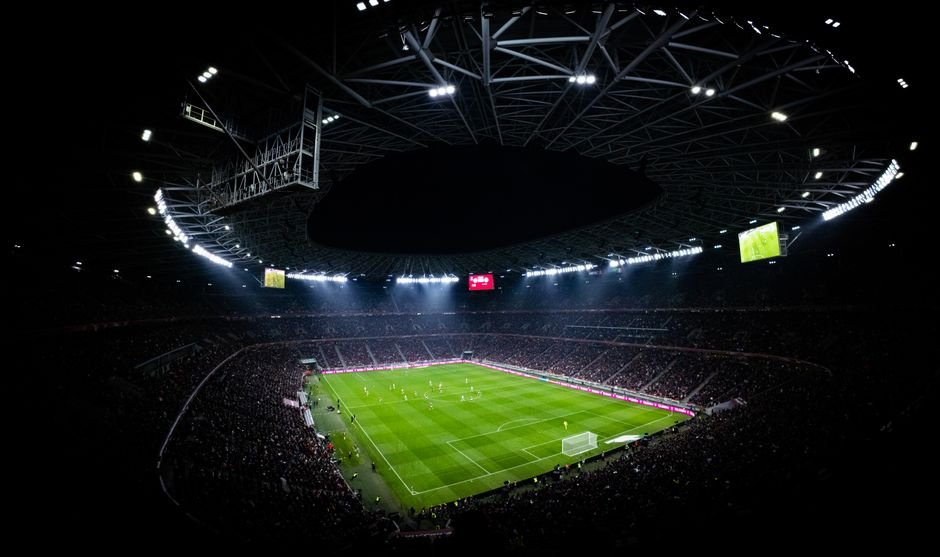
How Premier League Fixture Rescheduling Works for UK Broadcasters
Why Premier League Matches Change Dates and Times
Premier League fixture rescheduling happens often throughout the football season. As a result, fans frequently need to adjust their travel plans and weekend schedules. However, these changes do not happen by accident. Television broadcast rights play the biggest role in shifting match dates. Broadcasters like Sky Sports and TNT Sports pay billions of pounds to show live games. Consequently, they hold significant power when choosing which matches air on specific days.
European competitions also force many schedule changes. For example, when English clubs play in the UEFA Champions League, Europa League, or Conference League, their domestic fixtures must move. A team playing in Europe on a Thursday evening cannot play a domestic match on Saturday afternoon. Therefore, the Premier League moves those matches to Sunday or Monday.
The Role of Local Authorities and Police
Broadcasters are not the only ones who influence kickoff times. Police forces and local councils also hold veto power over schedule arrangements. High-profile rivalry matches often carry security risks. For instance, local authorities may insist that high-risk games kick off earlier in the day. This helps reduce crowd trouble and eases pressure on public transport networks.
Weather conditions and public transport strikes can also disrupt the football calendar. When severe winter weather hits the UK, frozen pitches or unsafe stadium surroundings force sudden postponements. As a result, league officials must find new dates later in the campaign to replay these games.
The Selection Process and Announcement Windows
At the start of every season, the Premier League publishes a full list of fixtures. However, this initial schedule is only a draft framework. The league sets specific announcement deadlines throughout the year to confirm revised broadcast times. Usually, these updates arrive several weeks before the games take place.
Despite these planned windows, delays frequently occur. International broadcast agreements, cup runs, and European draws can complicate the planning process. Consequently, match dates are sometimes confirmed later than fans expect. This delay causes frustration for supporters who need to book travel or take time off work.
How Blank and Double Gameweeks Occur
Domestic cup competitions create major scheduling puzzles in the second half of the season. As teams progress in the FA Cup, their scheduled Premier League fixtures get postponed. These postponed games accumulate over time. Eventually, officials must fit them into open midweek slots.
This creates what fantasy football players call blank and double gameweeks. A blank gameweek happens when a team has no fixture due to postponed matches. Conversely, a double gameweek occurs when a team plays twice in a single seven-day period. Consequently, teams must manage squad rotation carefully to handle the sudden backlog of fixtures.
Impact on Matchday Fans and Away Supporters
While TV viewers enjoy flexible match times, travelling matchday fans often bear the burden. Moving a game from Saturday at 3:00 PM to Sunday evening makes travel difficult. Train schedules are frequently reduced on Sundays, which makes returning home after an late away match nearly impossible.
Supporters’ trusts actively lobby the Premier League and broadcasters for fairer scheduling. They push for longer notice periods and sensible travel considerations for away fans. For example, groups argue that teams facing long geographic journeys should not be picked for late Sunday night slots. However, commercial broadcast revenue continues to drive the decision-making process.
Looking Ahead to Future Seasons
The demand for live football broadcasting shows no signs of slowing down. As new TV deals begin, the number of televised matches will increase further. Consequently, traditional Saturday 3:00 PM kickoffs will become less common for top-flight teams.
In short, Premier League fixture rescheduling balances commercial interests, police safety advice, and European football calendars. While this system maximises broadcast revenue, it requires regular flexibility from match-going supporters across the country.
For more information, https://www.bbc.com.
Related reading

admin
administratorLeave a reply here
Your email address will not be published. Required fields are marked *

One Reply to “How Premier League Fixture Rescheduling Works for UK Broadcasters”
How UK Sports TV Rights Work: Broadcasters and Blackouts