

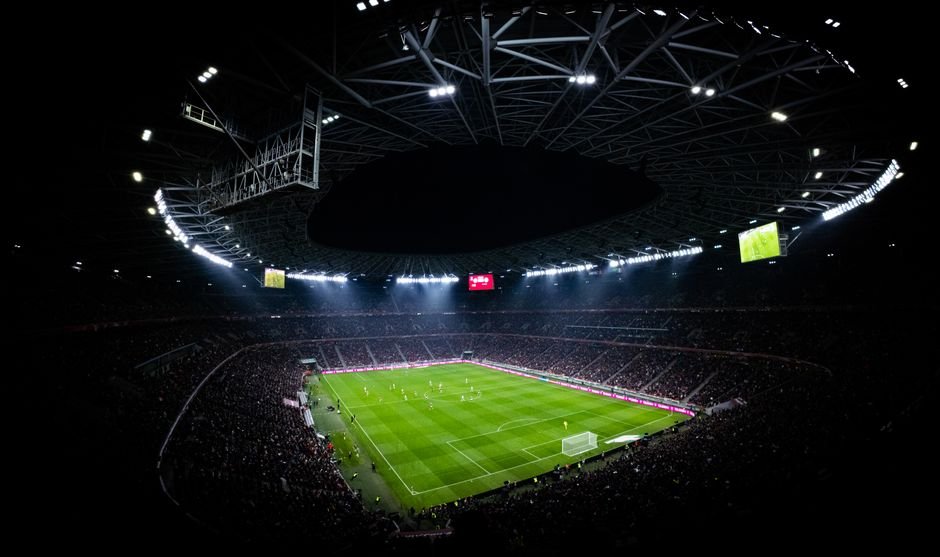
Premier League Fixture Changes: How Rescheduling Works for UK Fans
Understanding Premier League Fixture Changes in the UK
Every summer, football fans across the UK eagerly check the new match schedule. They mark key derbies and away trips on their calendars. However, the initial fixture list is rarely final because television broadcast picks alter the calendar constantly.
As a result, kickoff times change throughout the season. Matches regularly move from Saturday afternoon to Sunday, Friday evening, or Monday night. Consequently, supporters must adapt their travel plans and routines to keep up with these updates.
Understanding how television networks select matches helps fans plan ahead. In this guide, we explain why fixture shifts happen, when broadcasters announce updates, and how cup competitions impact the schedule.
Why Do Premier League Matches Get Moved?
Live television broadcasting drives the majority of schedule updates in modern English football. Mainstream networks pay substantial fees to broadcast live games across the United Kingdom. Therefore, these companies hold the right to choose specific matches for exclusive time slots.
Furthermore, UK broadcasting laws protect local stadium attendance through a traditional rule. The famous Saturday 3pm blackout prevents live coverage of games during that specific window. Because of this policy, high-profile fixtures must move to alternative broadcasting slots to appear on television legally.
Additionally, local police authorities often request time changes for security reasons. High-risk rivalries usually require earlier kickoff times on weekends. As a result, safety considerations can shift a game from late afternoon to early morning.
The Role of European Competitions
European tournaments also cause major shifts in the domestic football calendar. Clubs participating in continental competitions play mid-week fixtures on Tuesdays, Wednesdays, or Thursdays. Consequently, teams competing on Thursday nights cannot play domestic league matches on Saturday afternoon.
Instead, league officials move those games to Sunday afternoon or Monday evening. Therefore, a team’s success in Europe directly causes regular calendar changes at home throughout the autumn and spring months.
When Are Premier League Fixture Changes Announced?
League administrators and broadcast partners operate using pre-determined selection windows. Generally, they group schedule announcements into multi-month packages throughout the campaign. For example, broadcasters announce August and September TV selections several weeks before the season begins.
After that initial release, subsequent announcement dates follow a set timeline. The table below illustrates the typical timeline for schedule updates across a standard season.
Typical Broadcast Selection Timeline
- August & September matches: Announced in early July
- October & November matches: Announced in mid-August
- December & January matches: Announced in mid-October
- February matches: Announced in early December
- March matches: Announced in late January
- April matches: Announced in late February
- May matches: Announced in early April
However, delays occasionally happen during the decision process. Complex logistics, police approvals, and cup overlaps can stall final announcements. In short, fans should always monitor official club channels before booking non-refundable travel.
How Domestic Cups Disrupt the Schedule
Domestic cup competitions frequently disrupt the established league calendar in the second half of the season. The FA Cup and League Cup schedule ties during dedicated weekend and midweek slots. When league teams progress to late stages in cup competitions, their scheduled league fixtures must yield.
For instance, if two Premier League teams reach the quarter-finals of the FA Cup, their scheduled weekend league matches get postponed. As a result, organizers must fit those postponed matches into vacant midweek slots later in the spring.
The Challenge of Congested Rearranged Dates
Finding spare midweek dates near the end of the season presents a real challenge for league organizers. European football dates, international breaks, and existing cup rounds fill up most available evenings on the calendar. Therefore, teams often face congested schedules in April and May.
Consequently, clubs might play three matches within a single seven-day window. This fixture congestion tests squad depth and directly influences title races and relegation battles.
How Saturday 3pm Blackout Rules Affect Viewing
The UK retains a unique tradition regarding live televised sport known as the Saturday 3pm blackout rule. Article 48 of the UEFA statutes permits national associations to protect local attendance by banning live broadcasts during specific hours. In the UK, this window runs from 2:45pm to 5:15pm every Saturday.
Because of this regulation, matches scheduled at 3pm on Saturday cannot air live on UK television networks. Thus, if a network wishes to broadcast a specific fixture, officials must move that match to a different time slot.
Broadcasters regularly move these games to fill specific weekend slots, such as Saturday lunchtime, Saturday evening, or Sunday afternoon. Alternatively, networks place extra fixtures on Friday or Monday evenings. In short, the blackout rule actively causes many weekend schedule changes.
Practical Tips for Fans Planning Away Trips
Attending live matches requires careful planning when schedules remain flexible. Unannounced Premier League fixture changes can make train travel and hotel bookings complicated and costly for travelling supporters. However, fans can take smart steps to minimise potential disruption.
Smart Planning Strategies for Matchdays
- Book flexible travel: Buy refundable train tickets or flexible hotel packages whenever possible.
- Track official announcement dates: Keep an eye on official league press releases regarding TV selection deadlines.
- Follow club supporter groups: Fan unions regularly post updates regarding potential schedule changes and police requests.
- Avoid early bookings for cup weekends: Exercise extra caution when booking league games scheduled on FA Cup weekends.
By following these simple guidelines, match-going supporters can manage unexpected calendar shifts effectively. Also, staying informed ensures you never get caught out by last-minute schedule alterations.
Conclusion: Staying Updated with Match Schedules
Premier League fixture changes are an inescapable part of modern British football culture. TV broadcast picks, police requirements, and cup commitments continuously shape the national calendar. While these shifts create challenges for match-going fans, following official announcements keeps you ahead of every change.
Always verify dates through official club websites before making final travel arrangements. Ultimately, remaining flexible ensures you enjoy every minute of action throughout the unpredictable football season.
For more information, visit our website.

admin
administratorLeave a reply here
Your email address will not be published. Required fields are marked *

One Reply to “Premier League Fixture Changes: How Rescheduling Works for UK Fans”
3pm TV Blackout UK: How Article 48 Affects Football Streams