

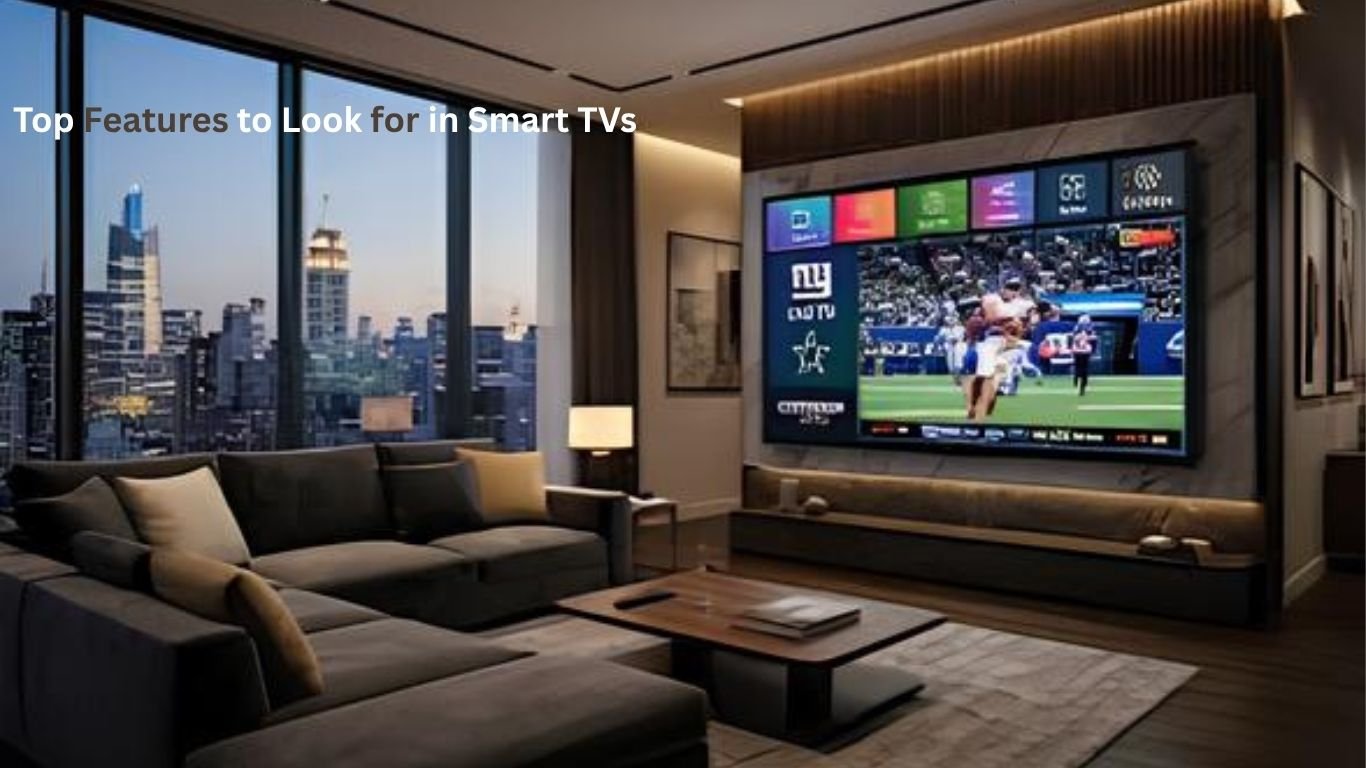
Top Features to Look for in Smart TVs
Top Features to Look for in Smart TVs
Look for in Smart TVs have revolutionised home entertainment. They combine traditional TV features with internet connectivity and interactive capabilities.
These devices allow you to stream content from platforms like Netflix and Hulu. You can also browse the web and access social media.
Understanding what a IPTV UK smart TV is can help you make informed decisions. It’s more than just a screen; it’s a gateway to endless entertainment.
The operating system is a crucial component. It affects how you interact with your TV and the apps you can use.
Voice control features, powered by Alexa or Google Assistant, add convenience. You can change channels or search for shows with simple voice commands.
Picture quality is another important factor. Options range from HD to 4K and even 8K, offering stunning visuals.
Connectivity options like HDMI and Bluetooth are essential. They allow you to connect external devices and enhance your viewing experience.
Choosing the right smart TV involves considering many features. This guide will help you navigate these options and find the perfect fit for your needs.
What is a Smart TV? Understanding the Basics
A smart TV integrates internet connectivity with traditional television features. This fusion offers a more interactive experience.
Essentially, it’s an entertainment hub. You can stream shows, browse online, and even play games.
Unlike regular TVs, Look for in Smart TVs TVs have built-in apps. These apps allow direct access to IPTV UK services like Amazon Prime and Spotify.
The operating system, unique to Look for in Smart TVs, allows user-friendly navigation. Popular systems include Android TV and Roku TV.
Here’s what defines a smart TV:
- Internet connectivity
- Interactive features
- Built-in streaming apps
Understanding these basics helps in choosing the right model. Knowing what a Look for in Smart TVs is makes your decision easier.

By recognising the core elements, you can enjoy a seamless home entertainment experience. It’s not just a TV; it’s a complete media solution. Whether for films, music, or gaming, a smart TV caters to diverse needs.
Smart TV vs. Regular TV: Key Differences
Smart TVs and regular TVs differ significantly in functionality. A regular TV focuses on displaying broadcast content via cable or satellite.
In contrast, a smart TV offers internet connectivity for accessing streaming services. This transforms how viewers interact with content.
Smart TVs provide convenience with their built-in apps and web features. This convenience is often absent in regular TVs.
Key differences include:
- Internet Connectivity: Present in smart TVs only
- Built-in Apps: Available only on smart TVs
- Interactive Features: Smart TVs are more versatile
While a regular TV serves basic viewing needs, a Look for in Smart TVs enhances home entertainment. Its diverse features cater to modern viewers’ demands.

Ultimately, understanding these differences helps in selecting the right television. It’s about choosing between simplicity and advanced functionalities.
What is a Smart TV Box? Do You Need One?
A smart TV box converts a regular TV into a smart TV. It offers similar internet connectivity and interactive features.
This device connects via HDMI, providing access to streaming services and apps. It broadens a TV’s capabilities without extensive upgrades.
Consider a smart TV box if upgrading to a smart TV is expensive. They’re cost-effective and easy to install.
Advantages of a smart TV box:
- Affordability: Lower cost compared to a new smart TV
- Versatility: Offers access to multiple platforms
- Ease of Use: Simple setup processby BoliviaInteligente (https://unsplash.com/@boliviainteligente)
If your current TV lacks smart features, a smart TV box may suffice.
(Note: The original text did not require changes outside of vocabulary and spelling differences, which were not present here. If specific British English idioms or phrases had been relevant, further adjustments would have been made accordingly.) It transforms any TV into a modern entertainment hub.
Essential Features of Modern Smart TVs
Smart TVs come with a range of features that enhance the viewing experience. Understanding these features can help you choose the right model.
Consider the operating system, as it affects the overall user experience. Popular options include Android TV and Roku TV.
Ensure the TV supports popular streaming services. Built-in apps save time and effort by consolidating content.
Important features to look for:
- Operating system compatibility
- Streaming service availability
- Voice control integration
Assess these features based on your lifestyle and preferences. They ensure seamless interaction and satisfaction with your smart TV purchase.
Operating Systems and User Interface
The operating system (OS) defines how user-friendly a smart TV is. It’s the backbone of your TV experience.
Different brands offer different OS options.
Android TV, Roku, and Tizen are some popular choices.
Evaluate the user interface for intuitive navigation. This determines how easily you can access apps and features.
Common operating systems include:
- Android TV: Known for its flexibility
- Roku TV: Popular for its simplicity
- Tizen OS: Features a sleek design
A good OS provides frequent updates, enhancing your TV’s longevity and functionality.
by Jonas Leupe (https://unsplash.com/@jonasleupe)
Streaming Services and Built-in Apps
A modern smart TV supports diverse streaming services. Access to these services directly impacts entertainment options.
Look for TVs with integrated apps for Netflix, Hulu, and Amazon Prime. This integration saves time and keeps everything in one place.
Some smart TVs offer an app store, enabling additional downloads. Check the app store compatibility for potential expansion.
Benefits of built-in apps include:
- Convenience: All content in one place
- Diverse options: Access to multiple platforms
- Updated content: Regular app updates ensure fresh content
Ensure your chosen Look for in Smart TVs supports the services you use most often.
by Marques Kaspbrak (https://unsplash.com/@popcornmatch)
Voice Control and Virtual Assistants
Voice control has become a standard feature in smart TVs. It allows hands-free operation via virtual assistants.
Smart TVs often integrate with Alexa or Google Assistant. These features simplify command execution without a remote.
Voice control extends to smart home device management. This feature is useful for multitasking and accessibility.
Key aspects of voice control:
- Convenience: Quick command execution
- Compatibility: Integration with popular assistants
- Enhanced interaction: Control beyond TV functions
This feature is a game-changer for those seeking seamless automation.
by Samsung Memory (https://unsplash.com/@samsungmemory)
Screen Resolution: HD, 4K, and 8K
Screen resolution dictates the clarity and detail of images. Higher resolutions offer sharper and more vibrant visuals.
HD, 4K, and 8K are the main resolution options. Each step up enhances detail and clarity significantly.
4K is currently the most popular choice, balancing quality and price. However, 8K provides an unmatched immersive experience.
Consider these aspects of resolution:
- HD: Basic visual quality
- 4K: Superb detail for most content
- 8K: Premium experience for large screens
Choosing the right resolution depends on your content preferences and budget.
by Annie Spratt (https://unsplash.com/@anniespratt)
HDR and Picture Quality Enhancements
High Dynamic Range (HDR) improves picture quality. It enhances contrast, bringing more depth to images.
HDR offers brighter whites and darker blacks, improving the overall viewing experience. Check if the TV supports HDR10 or Dolby Vision.
These features make a significant difference in how lifelike the picture appears. For a true cinematic feel, consider TVs with HDR.
Benefits of HDR:
- Better contrast: More detailed images
- Vivid colours: Enhanced colour representation
- Improved depth: Realistic picture quality
HDR capabilities vary, so review specifications before purchasing.
by Annie Spratt (https://unsplash.com/@anniespratt)
Connectivity Options: HDMI, USB, Bluetooth, and Wi-Fi
Connectivity is crucial for integrating external devices with your smart TV. Ensure it has ample HDMI and USB ports.
Wi-Fi and Bluetooth options are also important. They allow for wireless streaming and peripheral connections.
Consider your tech needs when examining connectivity. A well-equipped TV should support various devices and internet connections.
Key connectivity options:
- HDMI: For AV devices
- USB: Media playback and peripherals
- Wi-Fi/Bluetooth: Wireless capabilities
Checking the number and types of ports ensures compatibility with your devices.
by Jonas Leupe (https://unsplash.com/@jonasleupe)
Gaming Features and Performance
Many smart TVs cater to gamers. They include features that enhance gaming visuals and responsiveness.
Low input lag is essential for real-time gaming. High refresh rates provide smoother motion, crucial for fast-paced games.
Some TVs support gaming modes, optimising the display specifically for gameplay. Consider these features if gaming is a priority.
Gaming-enhancing features:
- Low input lag: Quick response time
- High refresh rate: Smooth motion
- Dedicated gaming modes: Optimised settings
Modern smart TVs offer a better experience for casual and hardcore gamers.
by Branden Skeli (https://unsplash.com/@branden_skeli)
Smart Home Integration
Smart TVs often fit into larger smart home ecosystems. Integration with other smart devices simplifies home automation.
Using a TV to control lights, thermostats, and other devices is possible. This integration enhances convenience and connectivity.
Compatible TVs work well with existing systems, providing centralised control. Consider your home setup when evaluating smart home integration.
Benefits of integration:
- Central control: Manage devices from one interface
- Seamless connectivity: Compatible with various smart gadgets
- Improved convenience: Streamlined home automation
Ensure your smart TV supports the platforms you already use.
by Jakub Żerdzicki (https://unsplash.com/@jakubzerdzicki)
Audio Quality and Sound Enhancements
Sound quality is just as important as picture quality. Built-in speakers vary in performance among smart TVs.
External sound systems and soundbars enhance the audio experience. Consider options like Dolby Atmos for immersive sound.
Some TVs come with audio tuning technology, adjusting sound based on room acoustics. These features improve TV sound substantially.
Audio features to consider:
- Built-in sound: Quality of internal speakers
- External enhancements: Compatibility with soundbars
- Sound tuning: Adaptive audio settings
Prioritise sound as much as visual quality for a complete media experience.
by Andres Jasso (https://unsplash.com/@andresjasso)
Design, Size, and Placement
A Look for in Smart TVs design impacts your living space. Look for a sleek design that complements room aesthetics.
Consider the size based on room dimensions and viewing distance. Larger screens suit more spacious areas.
Bezel size and stand style can affect placement options. Wall mounts are popular for space-saving installations.
Design considerations:
- Aesthetics: How it fits into the room
- Screen size: Based on viewing habits
- Placement options: Flexibility in stand or mount choices
Choose a smart TV that enhances both the function and style of your home.
by Caroline Badran (https://unsplash.com/@___atmos)
Advanced and Bonus Features to Consider
Exploring advanced features can add value to your Look for in Smart TVs experience. These bonus functions enhance versatility and modernise usage.
Some Look for in Smart TVs offer gesture control or facial recognition. These features add a new dimension to interaction and security. Additionally, picture-in-picture mode can facilitate multitasking, such as watching two channels simultaneously.
For those valuing privacy, some models support privacy modes. This locks sensitive data and limits access. These features can vary, so check the specifications for extras important to you.
Features worth exploring include:
- Gesture control for contactless operation
- Facial recognition for user authentication
- Picture-in-picture for multitasking
Innovative features may offer extra convenience and privacy benefits.
by Kedibone Isaac Makhumisane (https://unsplash.com/@isaax_the_artist)
Security, Privacy, and Software Updates
Security and privacy are paramount in smart TV ownership. Ensuring protection against unauthorised access requires regular software updates. These updates address vulnerabilities and introduce new features.
Moreover, smart TVs often include privacy settings to control data sharing. Understanding these settings is crucial for maintaining privacy. Always ensure your device runs the latest firmware version for optimal security.
Key considerations include:
- Regular software updates for security improvements
- Privacy settings to control personal data
- Firmware version checks for staying updated
Staying informed helps secure your Look for in Smart TVs experience.
by Julian O’hayon (https://unsplash.com/@anckor)
Price, Warranty, and Customer Support
When purchasing a smart TV, price is a significant consideration. Prices vary widely based on brand, features, and screen size. Balancing cost with desired features ensures value for money.
Additionally, a robust warranty and dependable customer support offer peace of mind. These factors are essential for addressing potential issues. Always review warranty terms and support services before buying.
Consider the following:
- Price comparison among brands and models
- Warranty coverage details
- Customer support responsiveness
These elements help facilitate a hassle-free Look for in Smart TVs purchase.
by Eric Human (https://unsplash.com/@erichuman)
How to Choose the Right Smart TV for Your Needs
Choosing the right Look for in Smart TVs involves assessing your preferences and viewing habits. Start by considering the room size and viewing distance, as these factors influence screen size selection.
Then, prioritise the features most essential to you. If you stream a lot, prioritise a TV with robust app support and high-speed Wi-Fi connectivity. For gamers, focus on low input lag and high refresh rates.
When evaluating options, keep in mind the following:
- Screen size suitable for your room
- Priority features like streaming, gaming, or smart home integration
- Budget constraints to match finances with needs
Conduct thorough research by reading reviews and checking expert ratings. Take note of customer experiences to ensure the TV’s reliability and performance meet your expectations.
by Marques Kaspbrak (https://unsplash.com/@popcornmatch)
Conclusion: Making the Smart Choice
Look for in Smart TVs can transform your entertainment experience with a mix of technology and convenience. Picking the right one means aligning the TV’s features with your unique lifestyle needs.
From streaming services to smart home integration,IPTV UK Free Trial each feature brings value. Consider your budget, room setup, and tech preferences. By focusing on what matters most to you, you can enjoy a tailored viewing experience that fits perfectly within your home. Making a well-informed choice ensures satisfaction for years to come.


Leave a reply here
Your email address will not be published. Required fields are marked *